Australian sapphires: the Gen Z gemstone with color, provenance, and accessible pricing
Many people from Gen Z and the millennial generation live a social media-centric lifestyle. They show their memorable moments online and, as a result, perceive jewelry and gemstones differently than past generations.
Jewelry retailers are taking note.
Gemstones are combined not just as a fashion statement but to accompany a changing mood. Younger buyers seek colors that reflect their aspirations, and Australian sapphires have emerged as a clear favorite. The mysterious color range of this gemstone excites everyone across the value chain.
MVEye survey: women prefer Australian sapphires to other stones
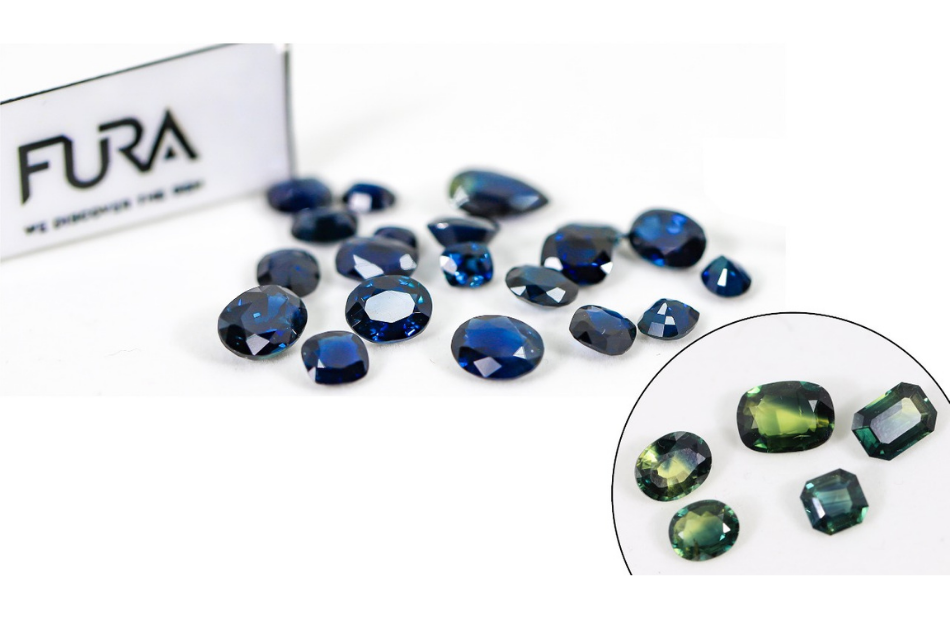
To explore market appetite for Australian sapphires, FURA Gems commissioned a marketing survey in Texas with MVEye. The study included both jewelry trade participants and consumers. The findings show that 46% of consumers preferred sapphires most, followed by rubies and emeralds (41%) and amethyst (35%). A further finding: consumers responded most strongly to the darkest shade of blue sapphire, followed by medium and lighter shades.
The US market in particular is growing fond of Australian sapphires. Research indicates a strong inclination among millennial American women toward jewelry personalization, and gemstones are well suited for that.
In Australia itself, demand for Australian sapphires has surged since 2018. Amelia Chafer, marketing manager of Coolamon Sapphires, notes a rush in demand from millennial and Gen Z customers (as reported in Jeweller Magazine). Simon West, a Melbourne jeweler, points to the adventurous quality of the stone as a reason it is increasingly chosen for engagement rings.
Why Gen Z is drawn to Australian sapphires
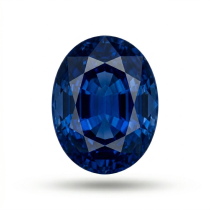
Australian sapphires are defined by their rich, dark color. Several concrete factors explain why younger buyers respond to them so strongly.
Pricing is a significant part of the appeal. Compared to a diamond of the same carat weight, Australian sapphires are far more accessible. A price-conscious buyer will often choose this stone for its combination of fair pricing and intense color.
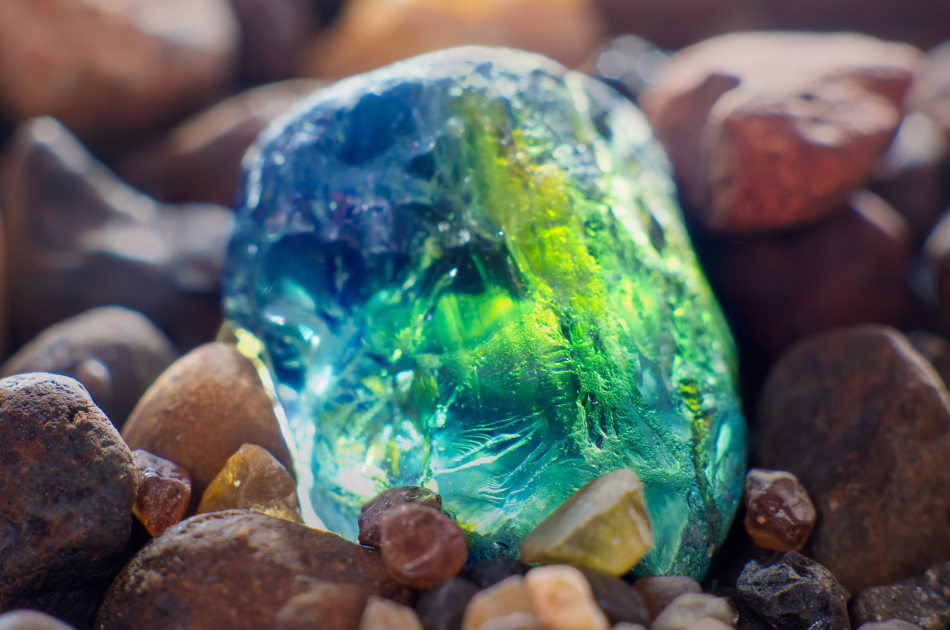
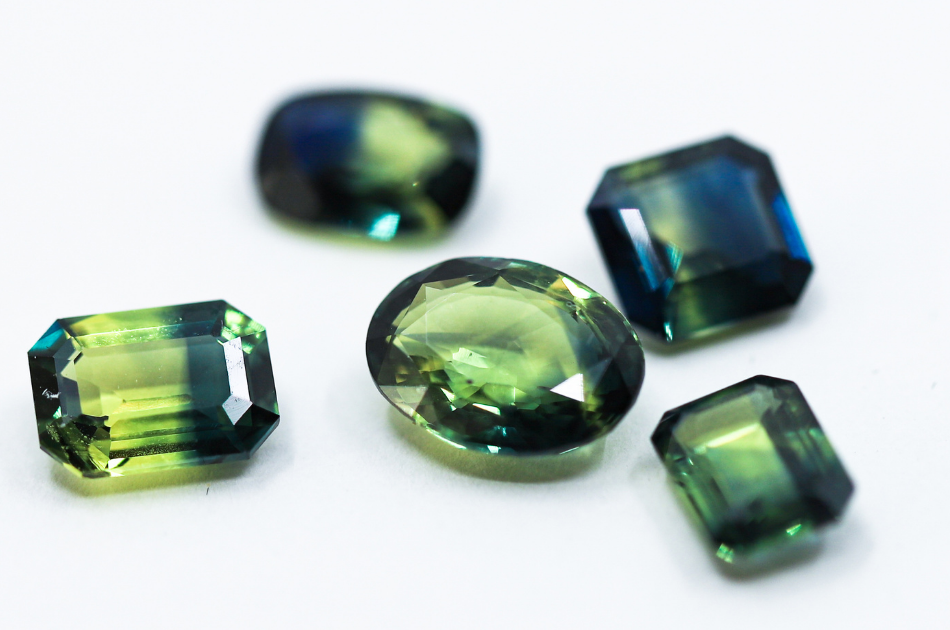
The variety is another factor. The refreshing range of colors from Australian mines satisfies a market that is increasingly bored with uniformity.
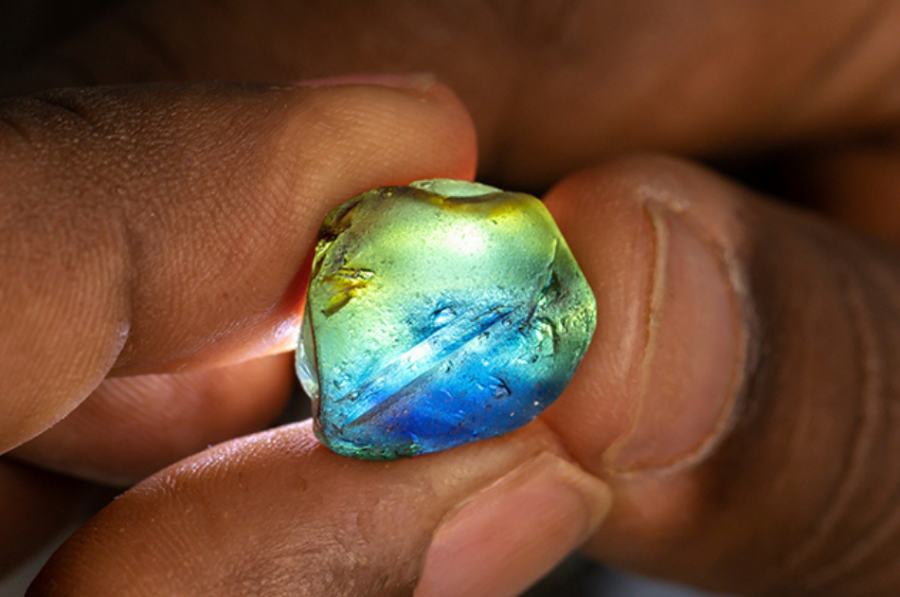
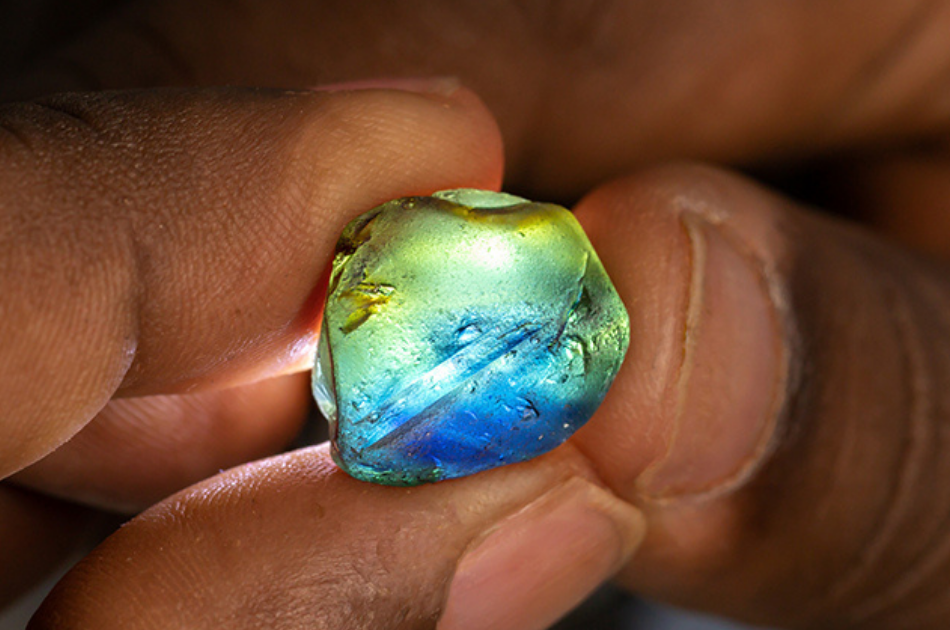
The parti sapphire deserves special mention. Its simultaneous display of blue, green, and yellow hues makes it visually unlike almost anything else available in the fine jewelry market.
Provenance matters as well. Younger consumers are conscious of responsible sourcing and will quickly recognize when they are being misled. Origin, alongside appearance and price, is one of the most important factors in their purchase decision.
Building a steady market for Australian sapphires
Australia dominated global sapphire production for decades. However, oversupply eventually killed demand, and no coordinated effort followed to reposition Australian sapphires in the global market.
The shift came as middle-class aspirations began moving toward gemstone jewelry, and couples started seeking affordable alternatives to diamonds. That dormant reserve became the starting point for FURA Gems, which moved to acquire the historic Capricorn Sapphire and Great Northern Mining operations in Australia. After acquisition, the FURA team compiled geological data estimating a sapphire reserve sufficient to last over three decades.
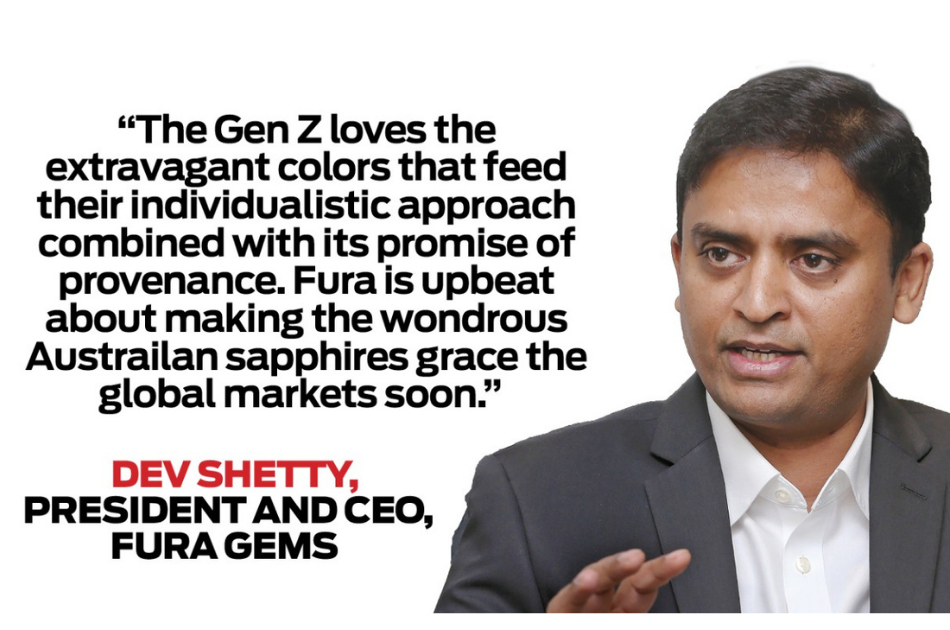
FURA Gems is positioned as the first company to ensure a supply of Australian sapphires across all sizes and price points. The company projects reaching 10 million carats of Australian sapphires within three years.
On transparency, FURA is developing a chain of custody program, the first of its kind for a color gemstone category. This would allow all stakeholders, including consumers, to trace every stone back to its source and receive a mine-of-origin certificate confirming it as an Australian sapphire.
Australian mining culture aligns with this direction. Local laws have consistently prioritized environmental responsibility and low-impact mining procedures. That alignment supports both the commercial future of Australian sapphires and a credible sustainability story for international markets.